Honouring Tun Razak

Established in
0

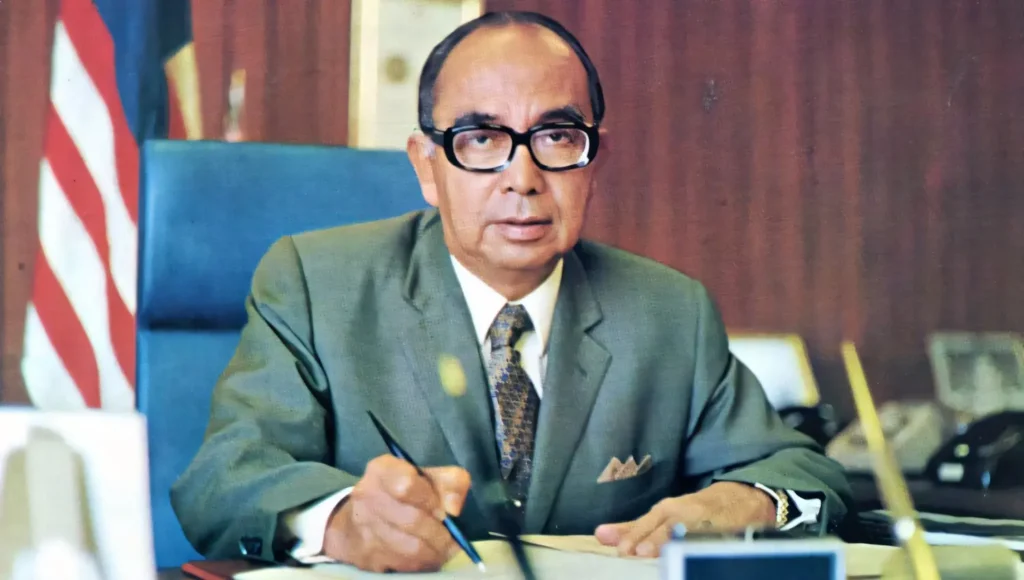
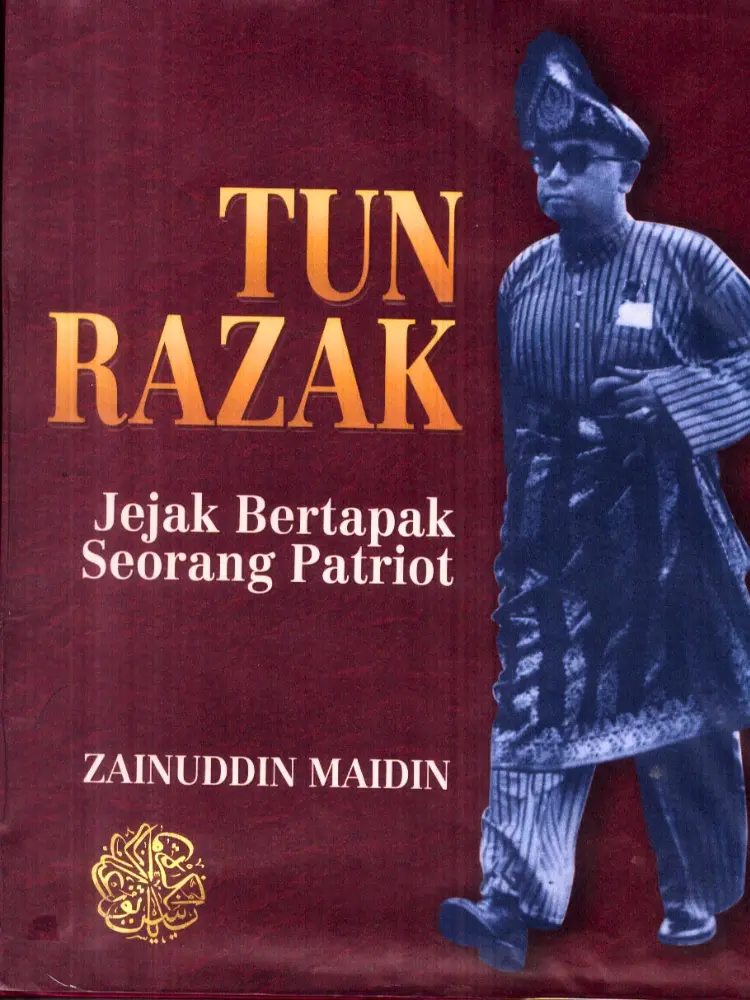
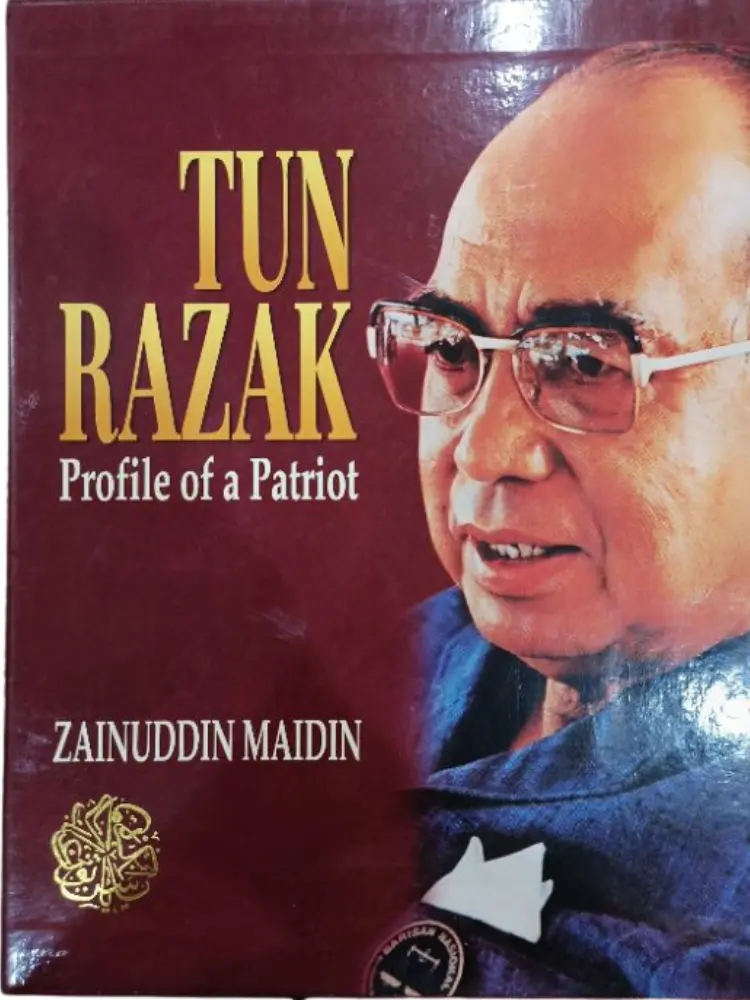
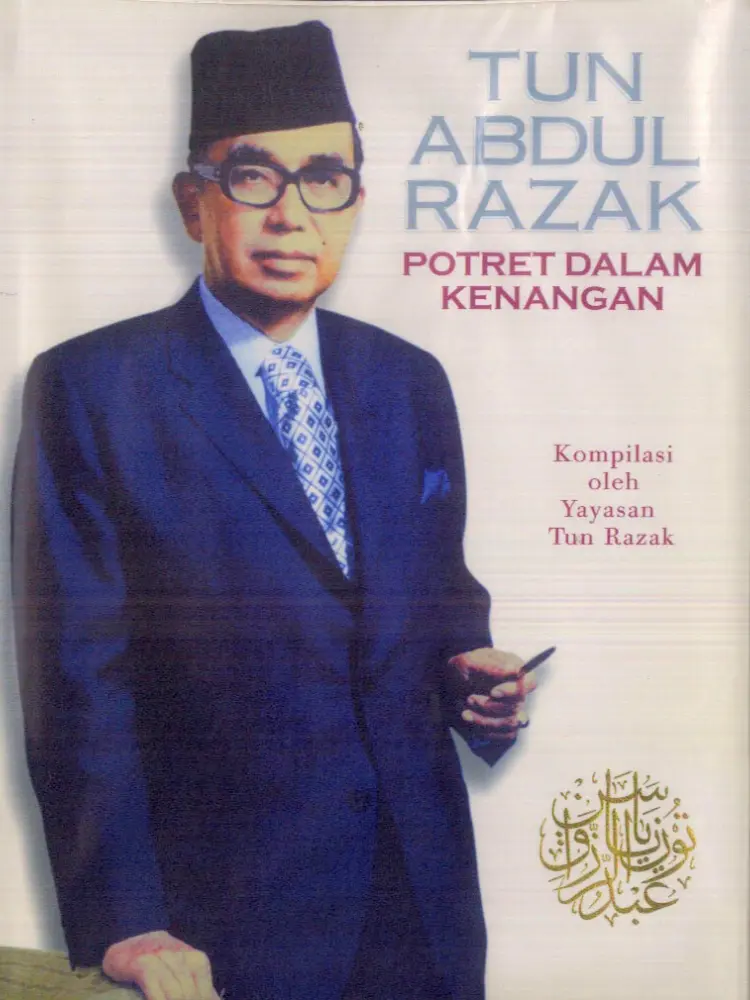
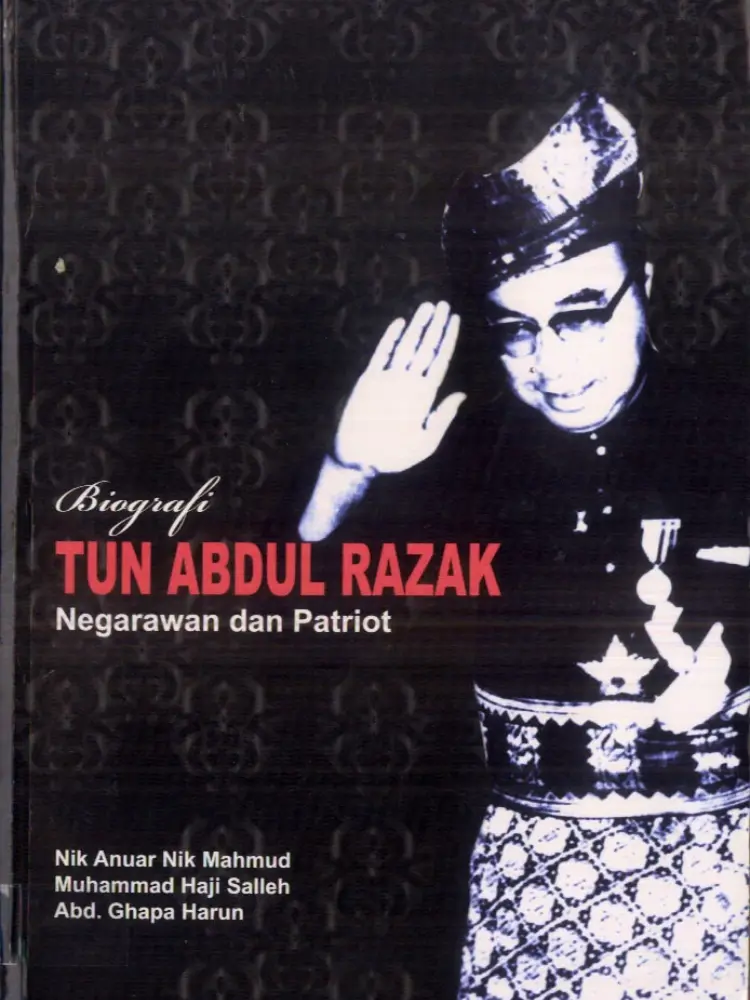
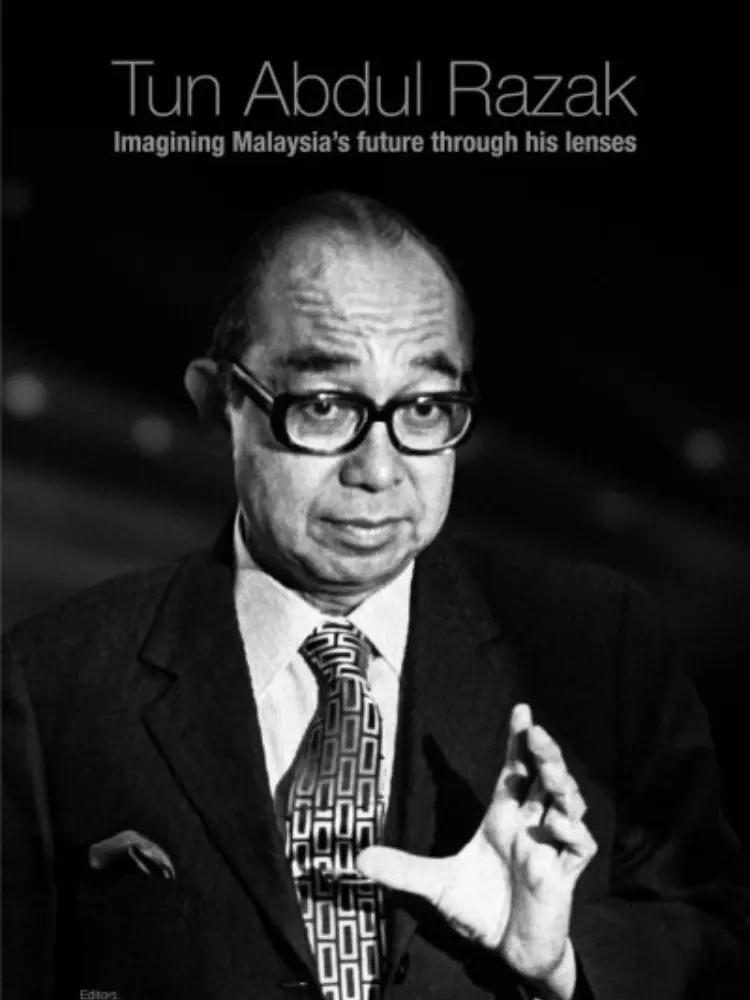
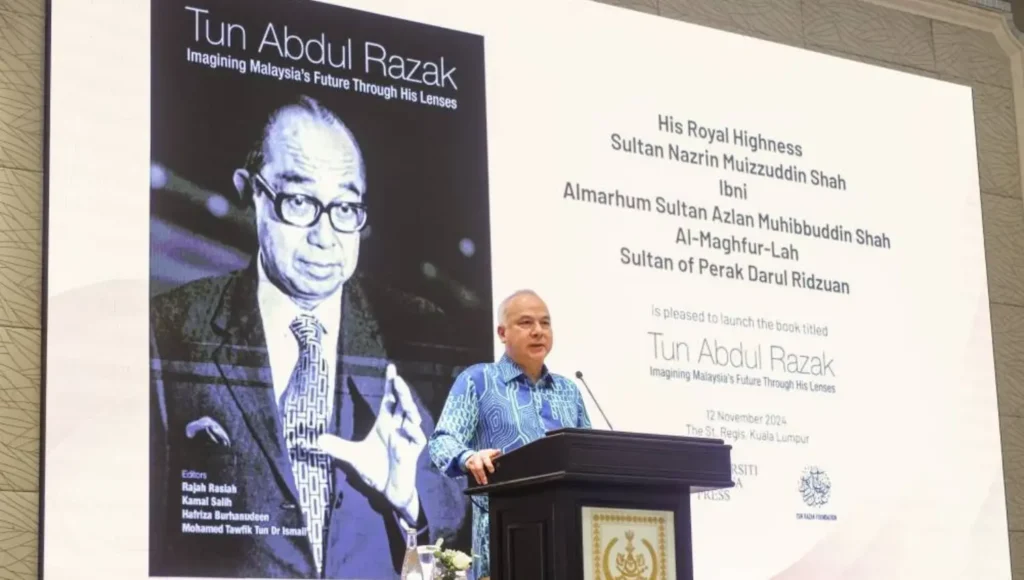
The Tun Razak Foundation honours the legacy of Tun Abdul Razak Hussein (1922–1976), Malaysia’s second Prime Minister and the Father of Development.

Tun Razak believed that leadership is rooted in service, progress must be inclusive, and development should uplift every community. His pragmatic and people-centred leadership helped shape modern Malaysia and continues to inspire the Foundation’s purpose today.

The Pillars of His Legacy

The Foundation’s mission to nurture young leaders and strengthen communities is guided by the core principles that defined Tun Razak’s leadership.

Social and Economic Equity

Through the New Economic Policy (1971), Tun Razak sought to eradicate poverty and create fair opportunities for all Malaysians. This vision of balanced growth remains central to the Foundation’s work, reflected in initiatives that expand access to education and support community-driven development.

National Unity and Education

Tun Razak viewed education as the foundation of national unity. His leadership of the Razak Report (1956) shaped Malaysia’s national education system, while the Rukun Negara strengthened shared values and social cohesion. These principles continue to guide efforts to build mutual respect, collaboration, and responsible leadership among young Malaysians.

Rural Development and Practical Leadership

Deeply committed to rural and underserved communities, Tun Razak established key institutions such as FELDA and introduced practical development plans including the Red Book and Green Book. This legacy of action and integrity lives on through leadership development and community initiatives that empower young people to create meaningful impact.

A Living Legacy

The Tun Razak Foundation exists to carry forward a legacy built on integrity, unity, and service. By investing in young leaders, the Foundation ensures that Tun Razak’s vision continues to shape Malaysia’s future.

The Pillars of His Legacy

The Foundation’s mission to nurture young leaders and strengthen communities is guided by the core principles that defined Tun Razak’s leadership.

Social and Economic Equity

Through the New Economic Policy (1971), Tun Razak sought to eradicate poverty and create fair opportunities for all Malaysians. This vision of balanced growth remains central to the Foundation’s work, reflected in initiatives that expand access to education and support community-driven development.

National Unity and Education

Tun Razak viewed education as the foundation of national unity. His leadership of the Razak Report (1956) shaped Malaysia’s national education system, while the Rukun Negara strengthened shared values and social cohesion. These principles continue to guide efforts to build mutual respect, collaboration, and responsible leadership among young Malaysians.

Rural Development and Practical Leadership

Deeply committed to rural and underserved communities, Tun Razak established key institutions such as FELDA and introduced practical development plans including the Red Book and Green Book. This legacy of action and integrity lives on through leadership development and community initiatives that empower young people to create meaningful impact.